

PLUR1BUS Explained (part 2)
Breakdown of S01E02, "Pirate Lady"

This is part 2 of a nine-part episode breakdown of the Apple TV series Plur1bus (pronounced “pluribus”). Find part 1 here. This post is spoiler-heavy. If you haven’t already and want to, go watch the show now and then meet us back here.
Episode 2, “Pirate Lady,” comes in lighter on the action and heavier on exposition, at least in the second half. We meet the Pirate Lady, played Karolina Wydra, and five other people Immune to the virus. Pirate Lady helps Carol (and us) work through what has happened and how the Collective/Hive mind seems to work. I don’t know what to call it. The Others act like the Borg (from Star Trek) but nice.
Episode 2 puts some fairly interesting philosophical questions on the board, as we’ll see, but ultimately, the show is more interested in Carol—at least that’s how it seems for now.
On with the breakdown!
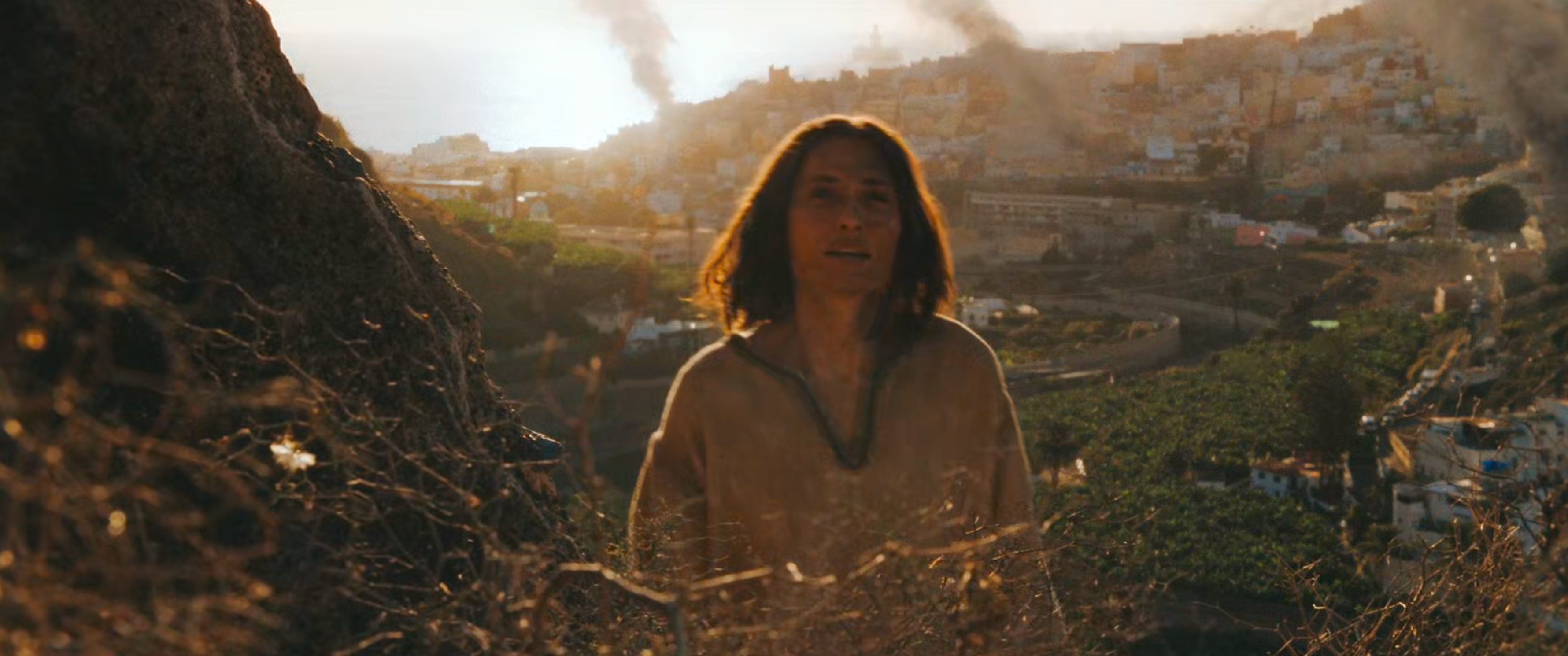
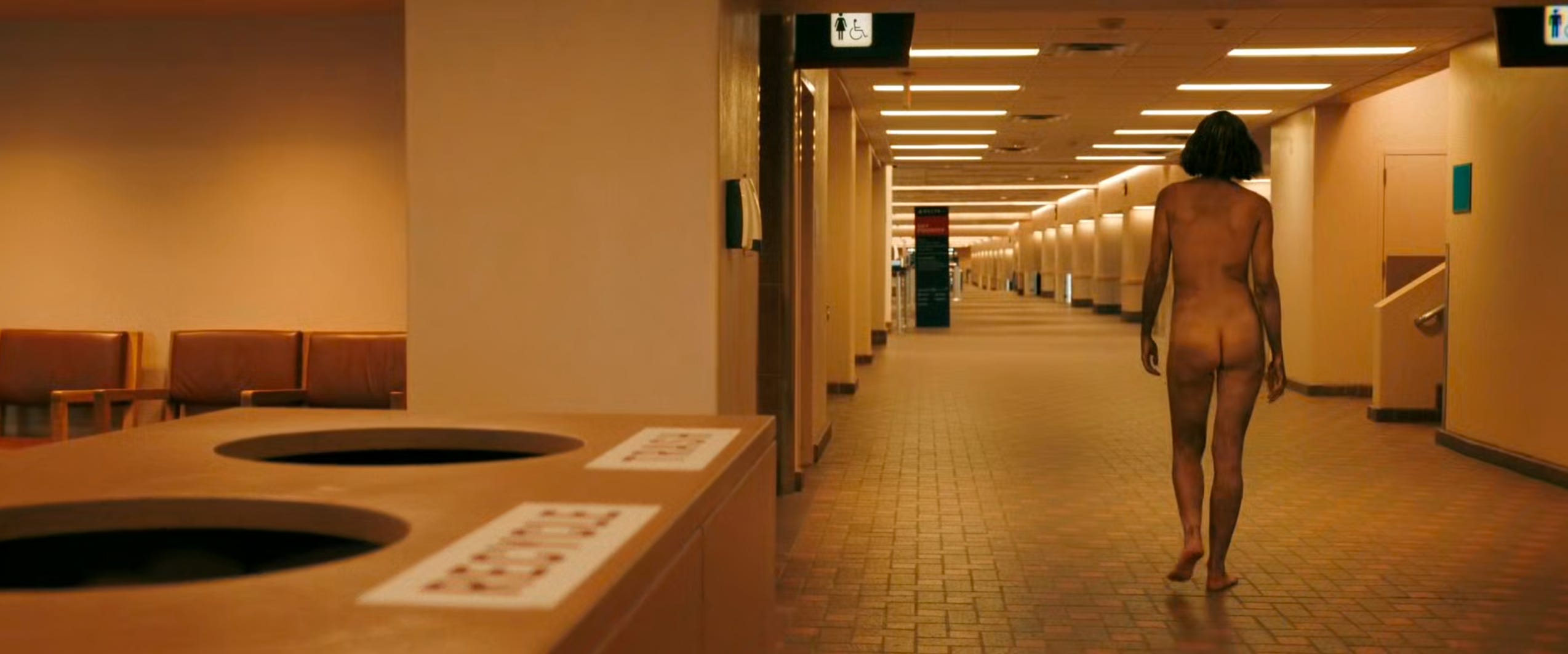
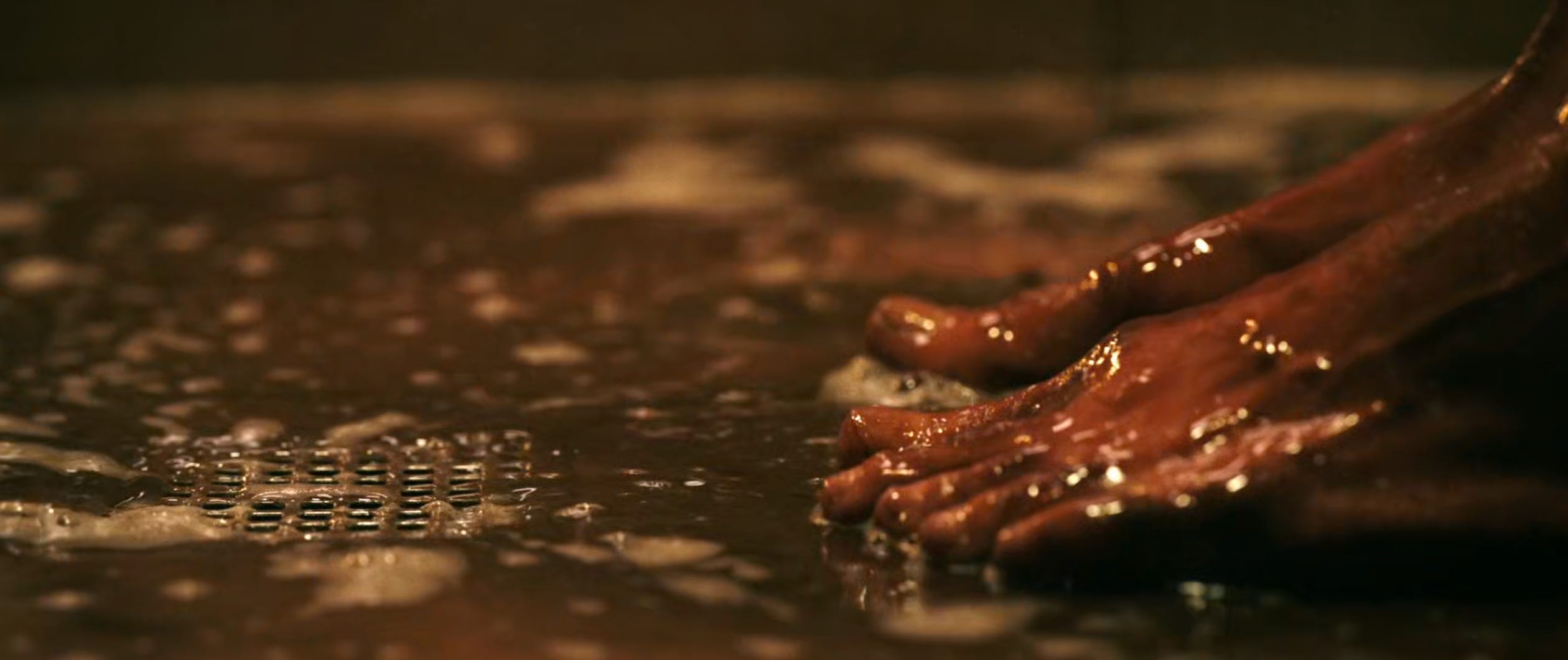
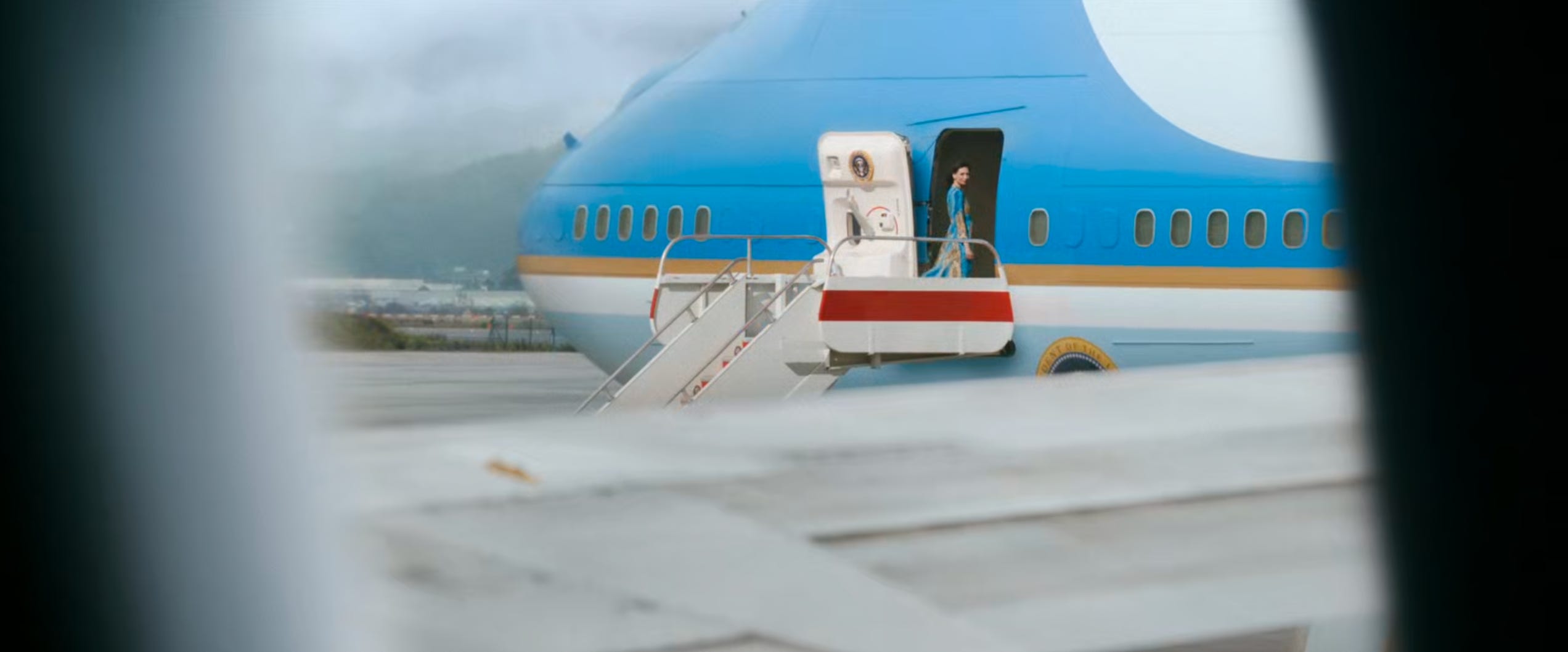
Our first glimpse of Zosia/Pirate Lady, emerging from the smoking ruins of Tangier. What happened to her? Who was she? What is she wearing? Is she covered in dirt? Blood? Both?
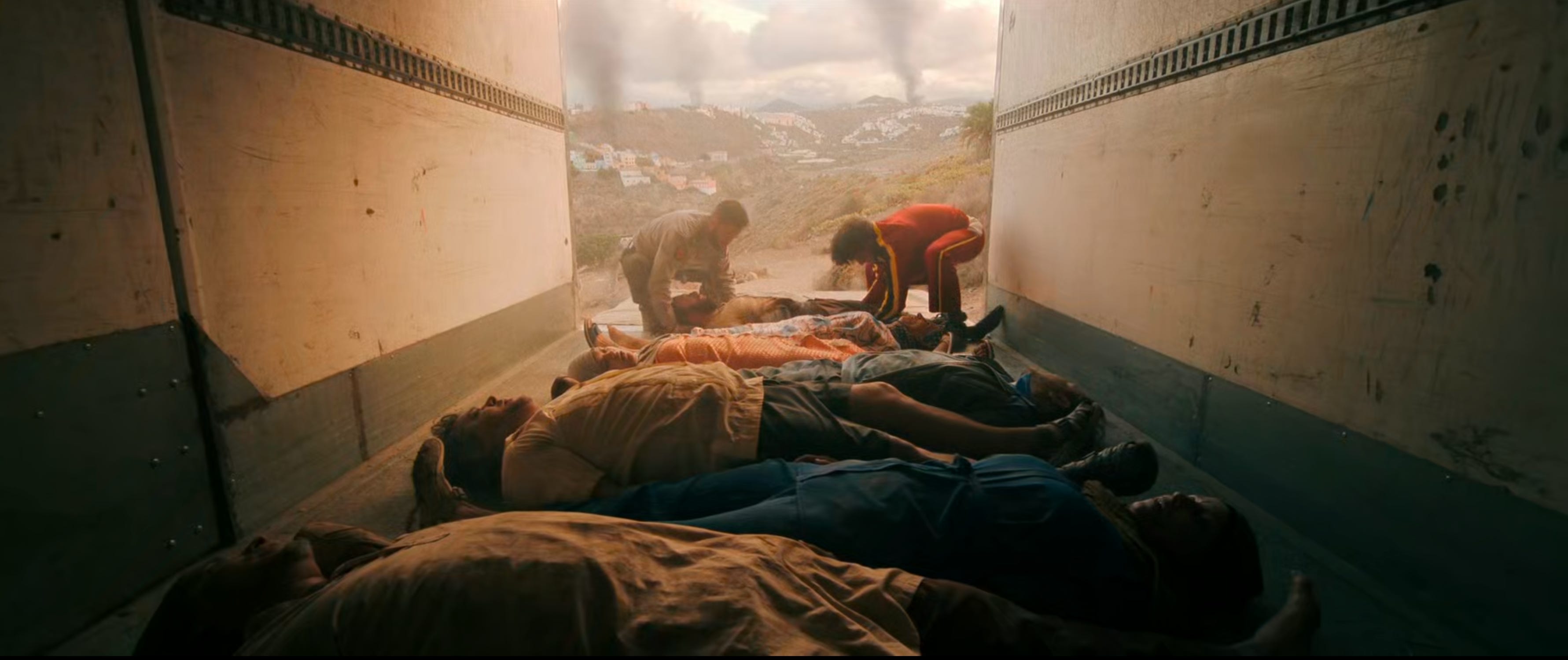
We see her working on collecting corpses. She has assistance from Others. The timing of individual movement is precise. Is there a queen controling the drones, as there so often is in sci-fi hiveminds? Or is there merely the hive? It would be so much more interesting to contend with the hive without a queen. As Carol will say, “we’ve seen this movie” about a queen-controlled hive.

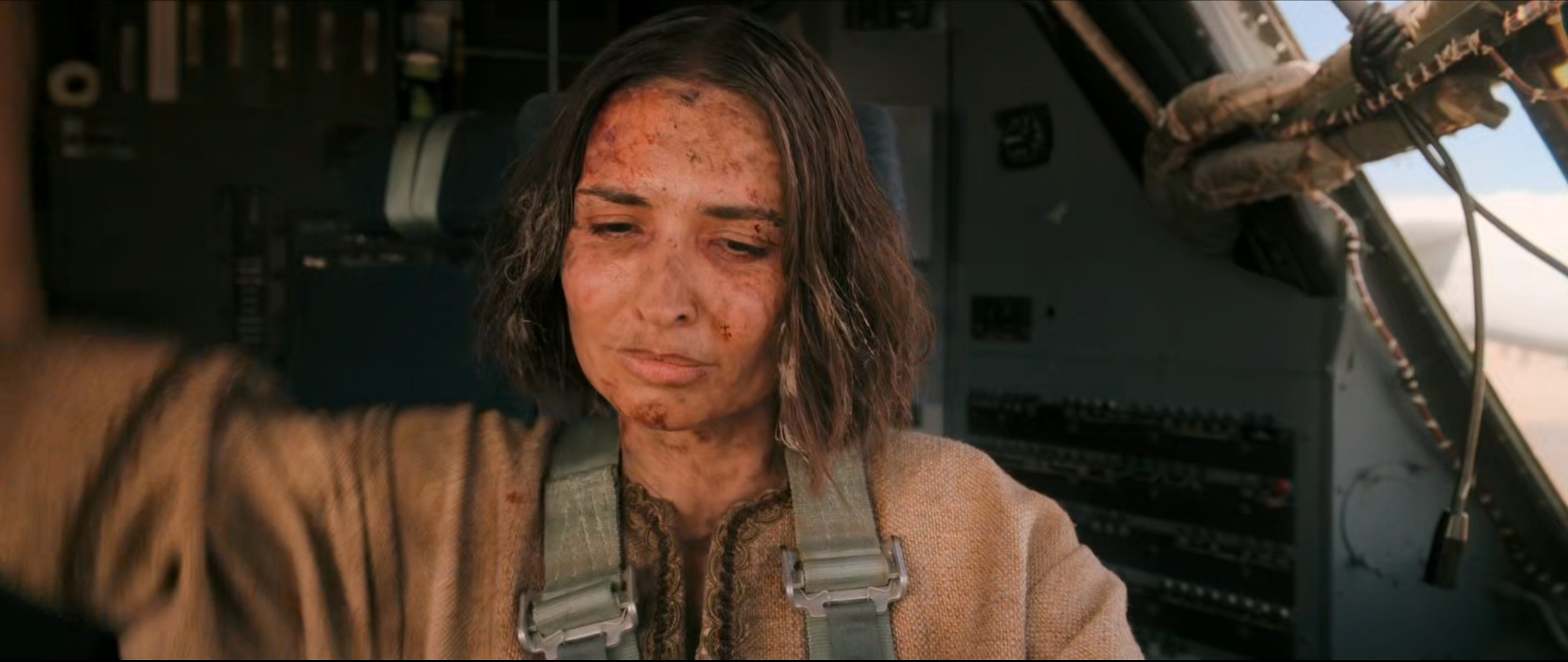
Previously seen zombie movies or post-apocalyptic texts sometimes show us the survivors who have the skills to do things. Maybe someone took some pilot training once, but is definitely not an expert. Maybe someone who remembers some high-school physics is in charge of the power station In Plur1bus, everyone is an expert at everything.
What is progress when everyone is an expert? What is satisfaction? What is status?
I’m hoping we get a backstory episode where we find out who Zosia used to be before the Joining, and what happened to her.

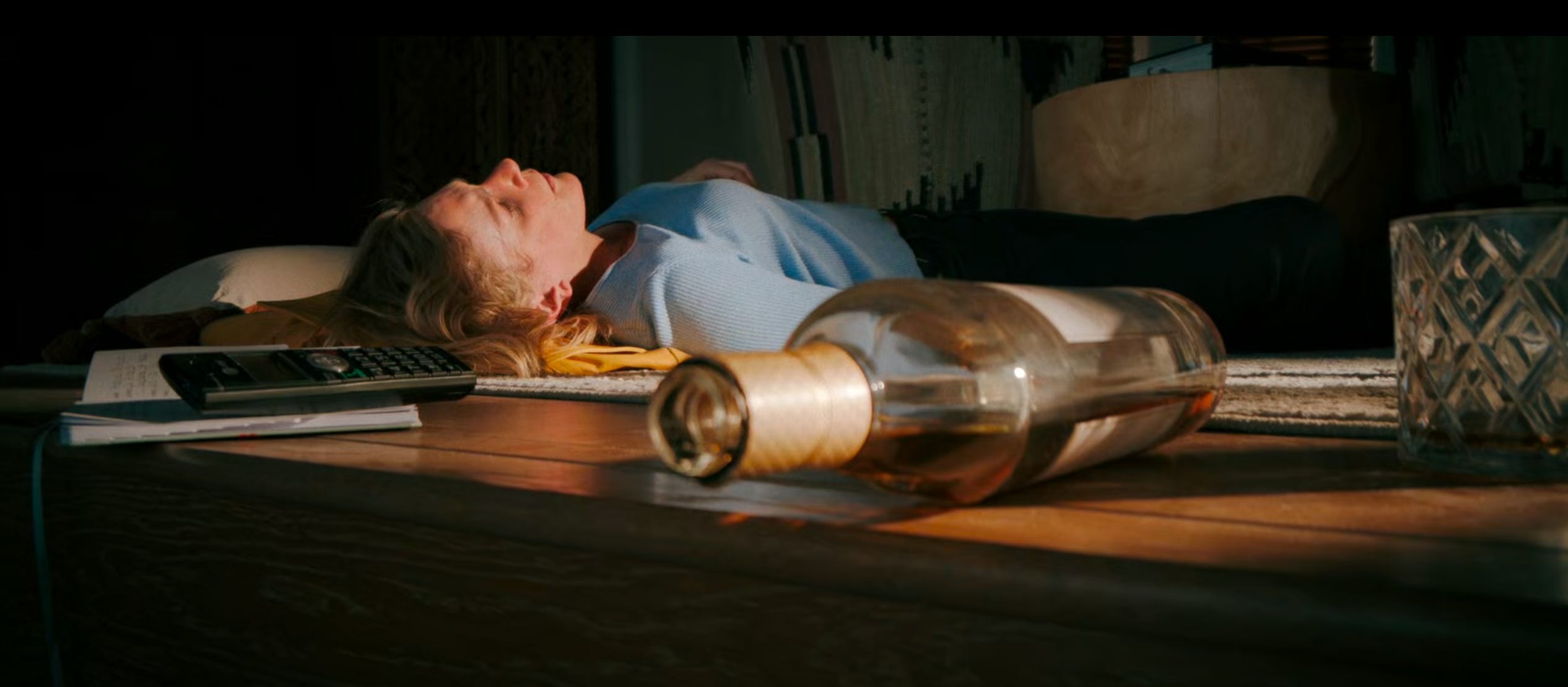
Carol wraps Helen in a special quilt, prepares for burial.
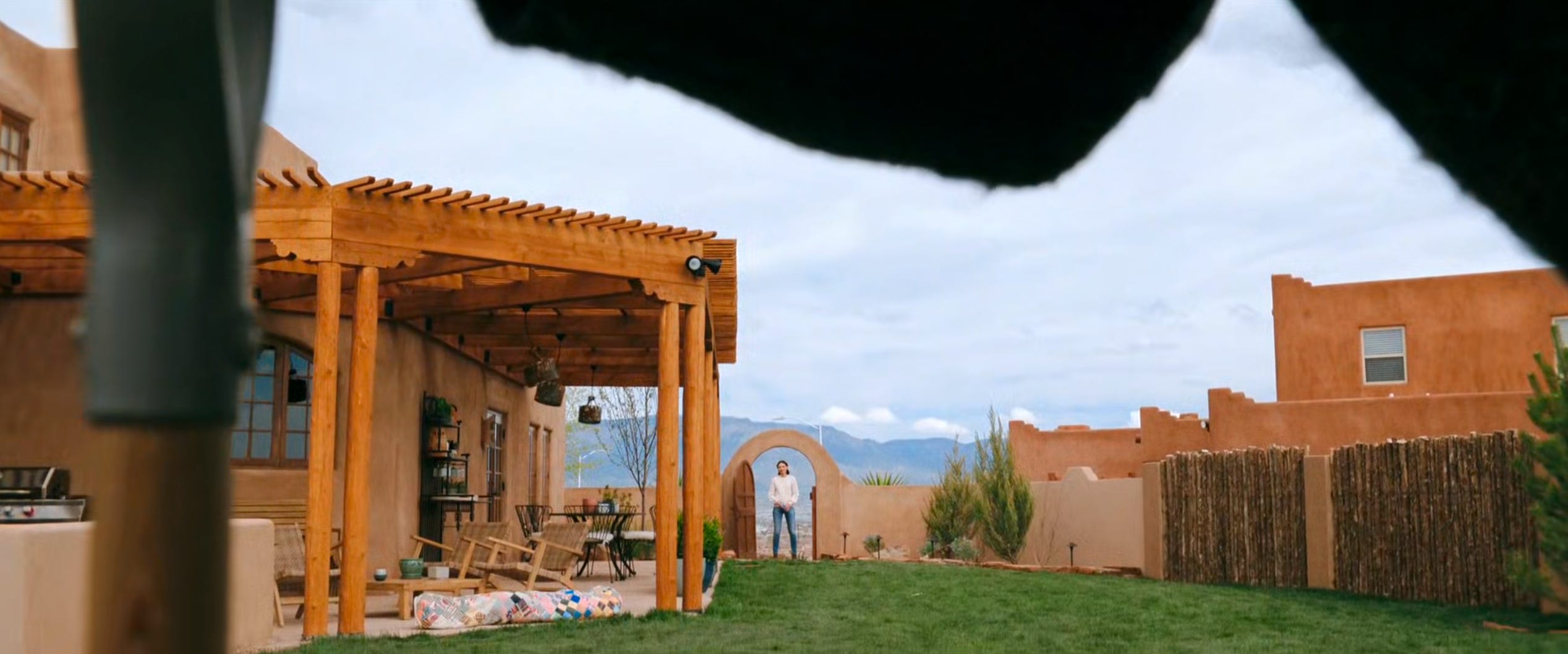
Zosia has flown her cargo plane from Morocco to Albuquerque. That’s a nineteen hour flight. Do the Others get tired? Do they need to sleep?
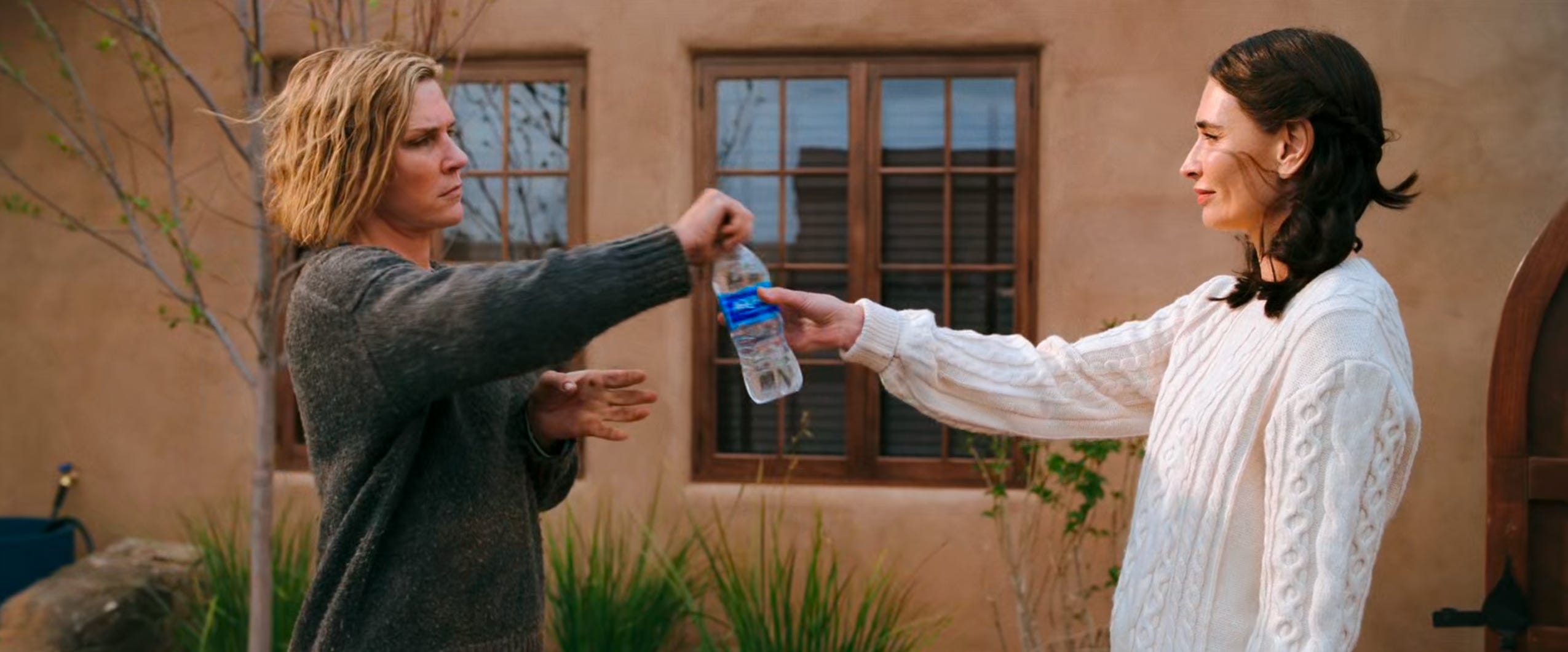
“We’re months away from knowing how to do that,” says Zosia when Carol asks if the water she’s being offered will turn her into “one of them.” Months away, she says. Who talks like that?
“Who are you?” Carol asks. “Someone we thought you might like,” says Zosia.
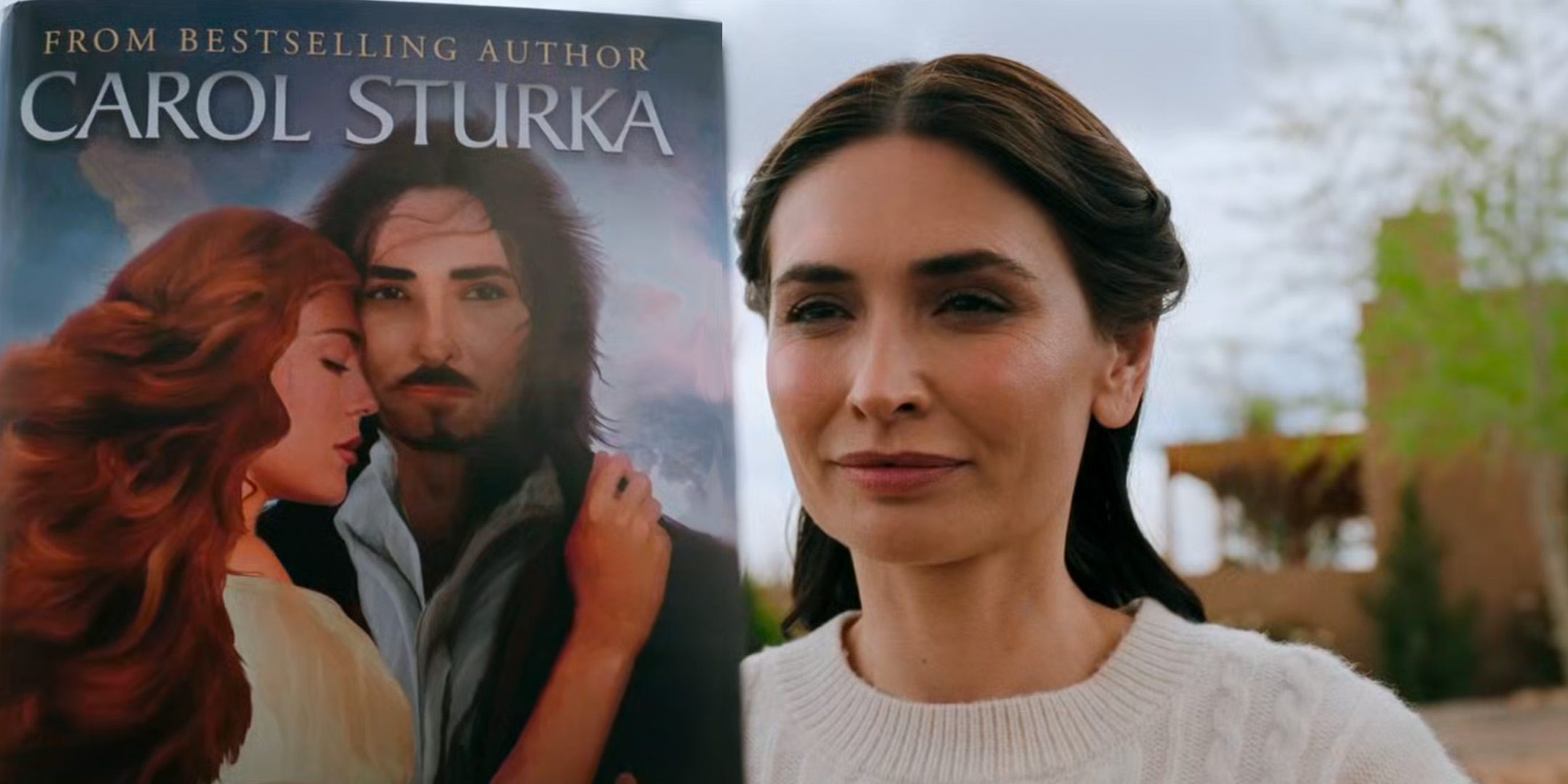
Carol realizes why Zosia looks so familiar.
“Are you supposed to be my character Raban? Why?”
Zosia avoids the question. “If we chose poorly, we apologize. We just want you to be happy.” Why do the speak like this?
“Why Raban is a woman? My original version of him was a her, but I talked myself out of it. We never told anyone. Helen and I were the only ones who knew…”
We find out that Helen joined the collective before she died. All of her thoughts and memories are part of the collective.
By the way—if the illustration of Raban looks even more familiar than the show explains, here’s why:

Raban is Helen. And therefore Zosia is Helen, not Raban.
It seems obvious that Helen and Carol were a couple. They broke up, but maybe Helen stayed on as Carol’s publicist?
What I can’t quite figure out is why, in 2025, the show is so coy about a lesbian relationship.
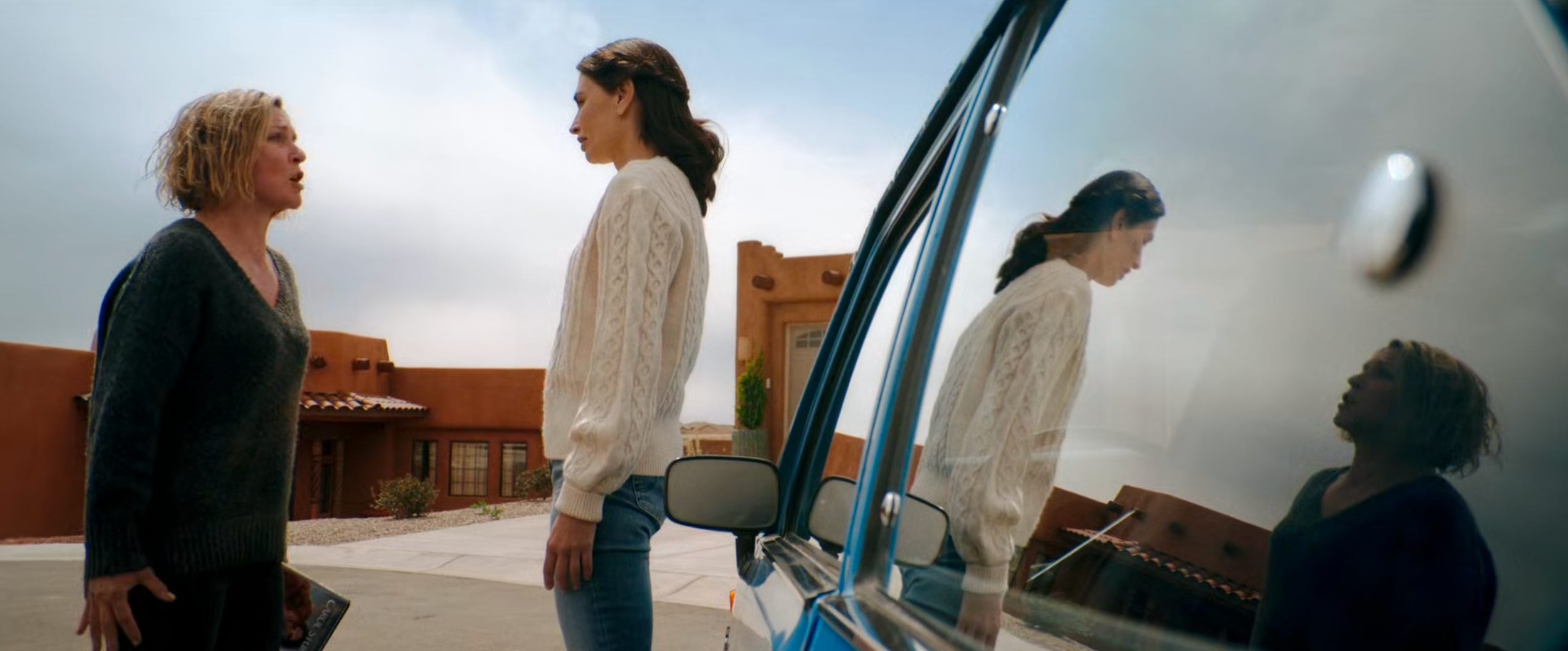
Carol has a temper tantrum that causes the collective to convulse and lose cohesion. What a superpower!
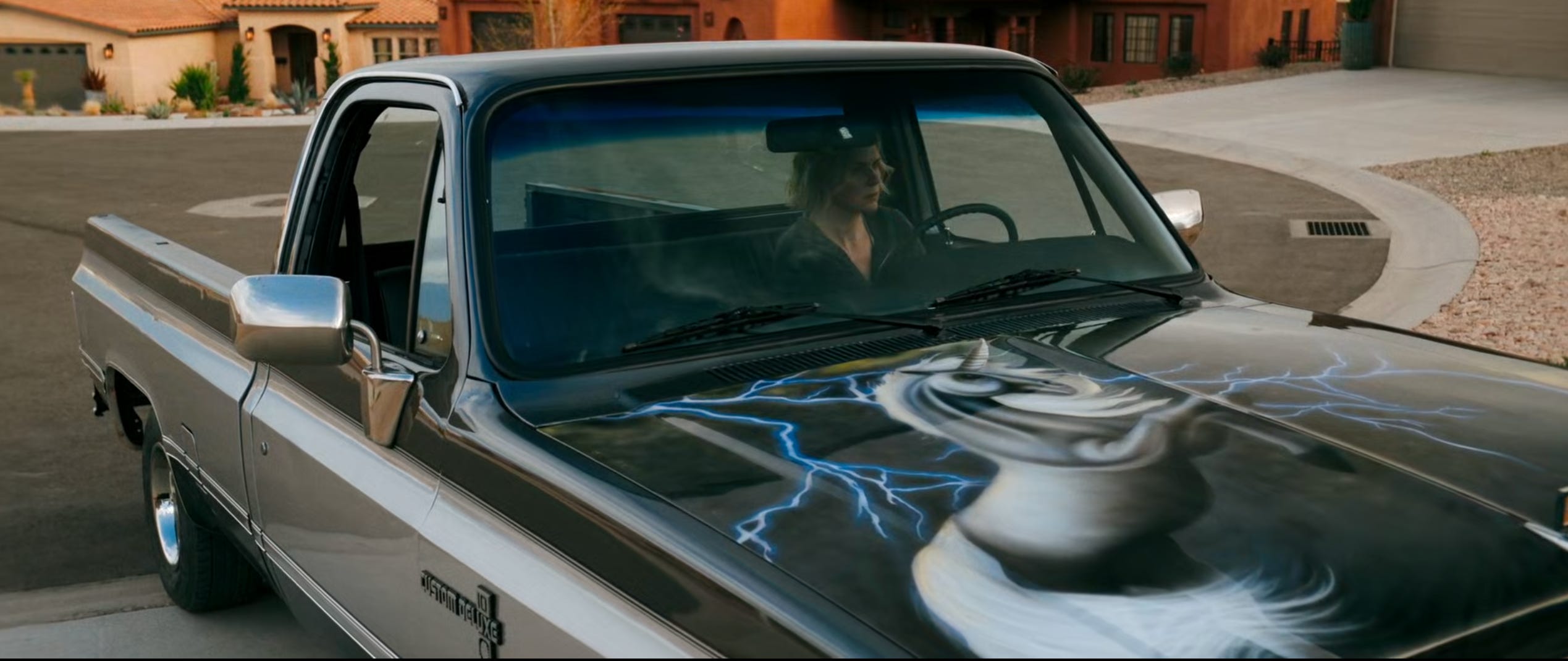
She drives into town looking for help and happens upon a crane attempting to remove an airplane that has crashed into a church. What a shot!


Zosia tries to explain why she and everyone else convulsed. “We’re affected by your emotions. The negative ones, if they are directed right at us, can be a little tough to take.”
A little tough to take? Why do the Others speak like this? Why this sort of generic corporate speak? As if they’re trying really hard not to offend anyone.
“Did anybody die?” Carol asks. “How many?” Zosia responds, “world wide? A few.” We find out later that it’s around 11 million. That’s 0.1375 percent of the population that remained after the initial death toll of 886 million. Why doesn’t Zosia tell the truth?
One thing this show does is remind us just how big the world is. But will it be consistent with this understanding?

Carol, trying to figure out if the whole world is lost, asks questions about soldiers and astronauts. Yes, they are all part of the collective.
“There is a gentleman in Paraguay we became aware of just this morning,” says Zosia. Feels like it might be important. How could they not be aware of the gentleman in Paraguay? There are more people they’re not aware of? This feels like a really important detail. Are we going to Paraguay?
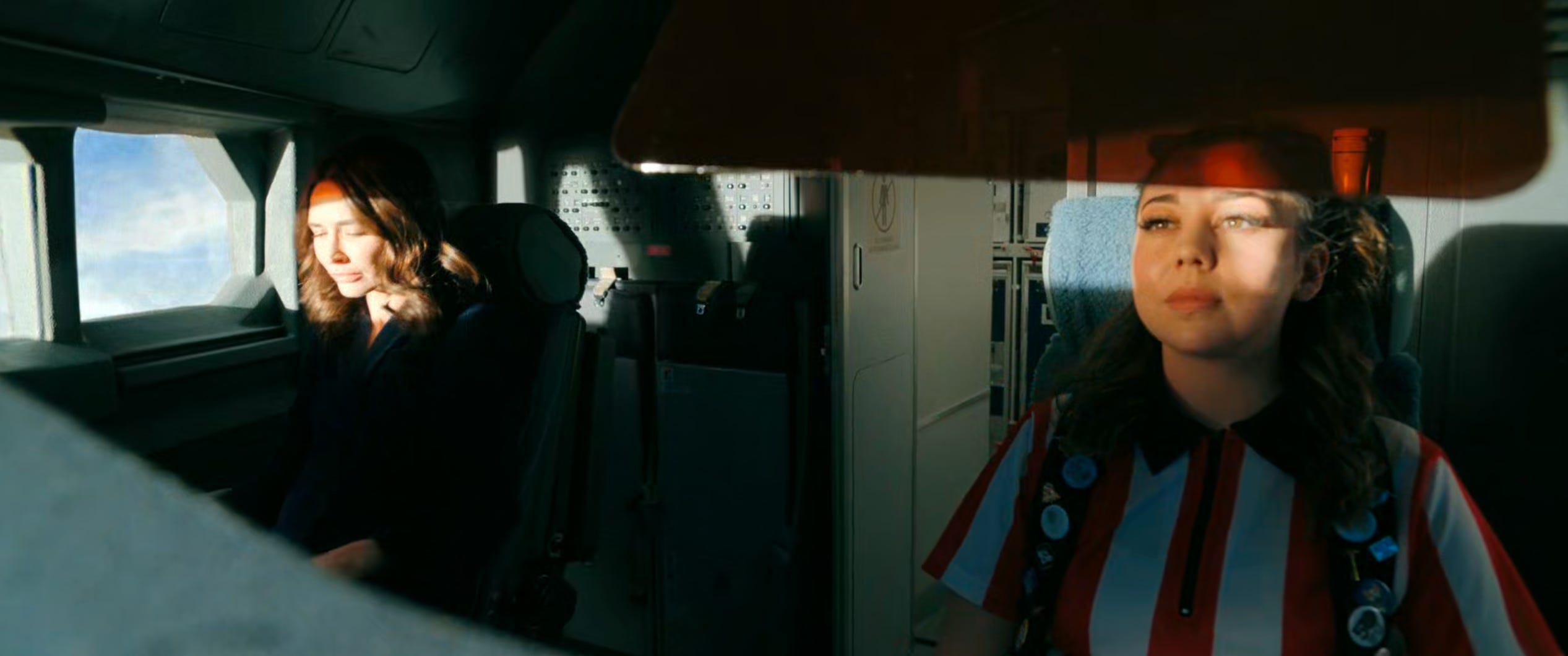
Every person on Earth knows how to fly a plane. It feels a bit like The Matrix, where everyone is potentially an Agent. Except here, the potential is irrelevant. Everyone is an Agent. Everyone on Earth has access to all the same skills. Are there new skills? Can we make new skills? Philosophical and practical questions are enormous. Fascinating! And but we can guess the show is going to spend all its time on Carol. We want to know what happens to knowledge creation! Carol, you better have a goddamn interesting story.
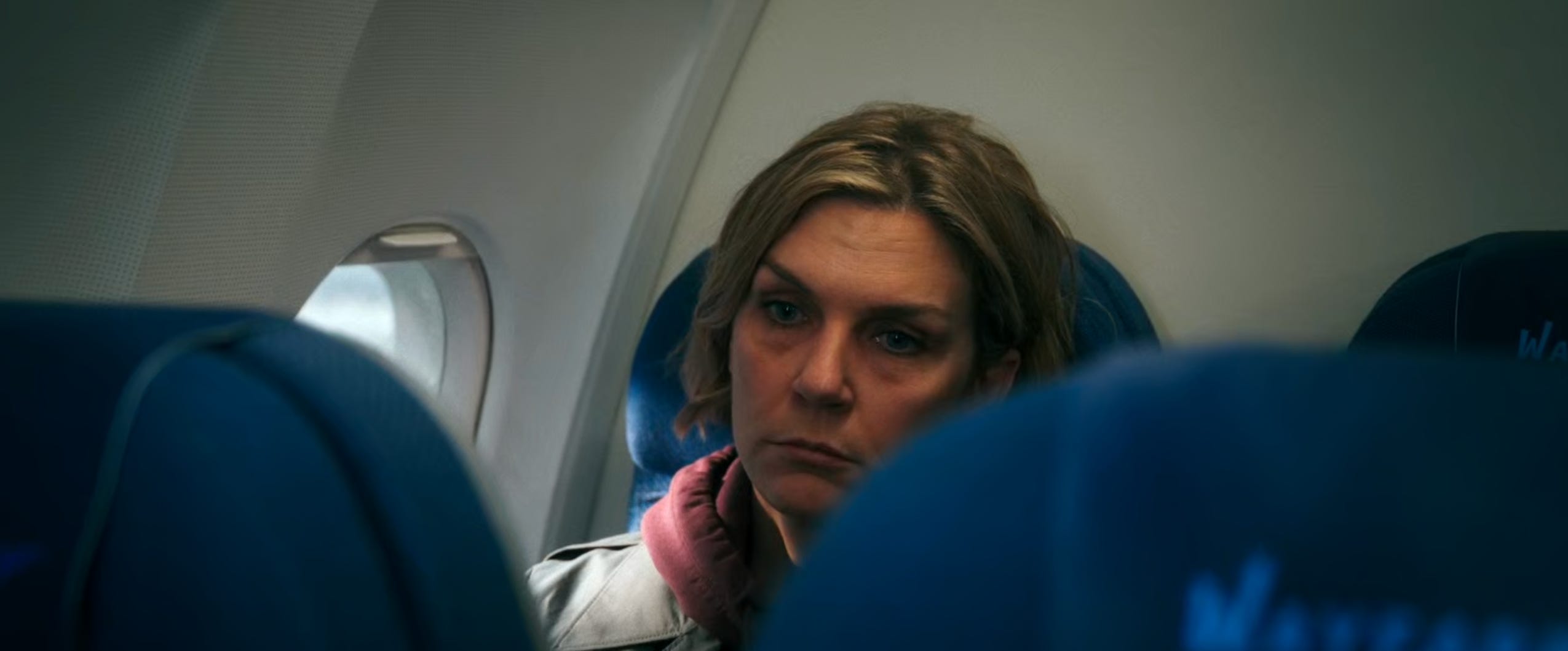
Carol flies Wayfarier airlines. Where have we seen that fake airline before? Was that also in Breaking Bad?
Is there a way to see X-Files and Breaking Bad and Pluribus all in the same universe? What’s that theory, something Saint Elsewhere something something? The Tommy Westphall Universe Hypothesis? That’s it.1
“We can’t protect you from one another.” This line is a warning from Zosia to Carol, and it’s promise to us.
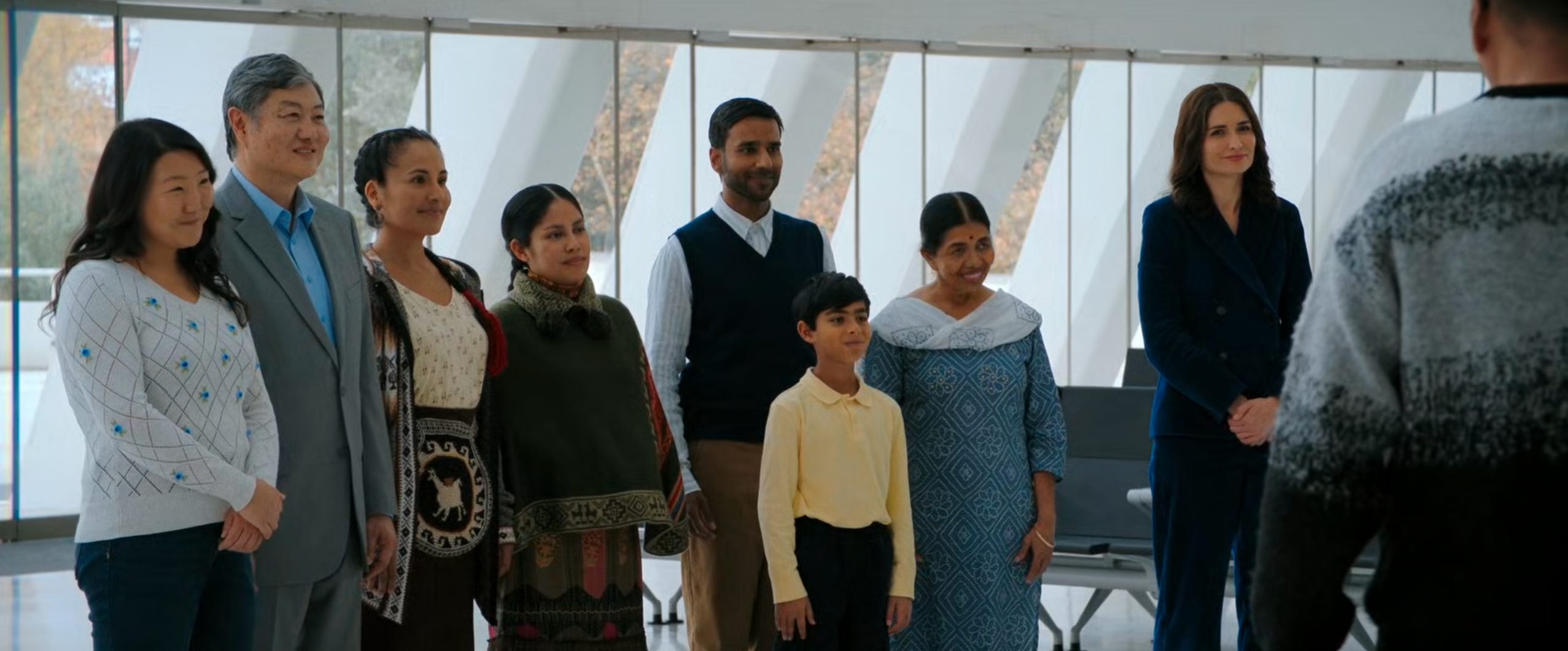
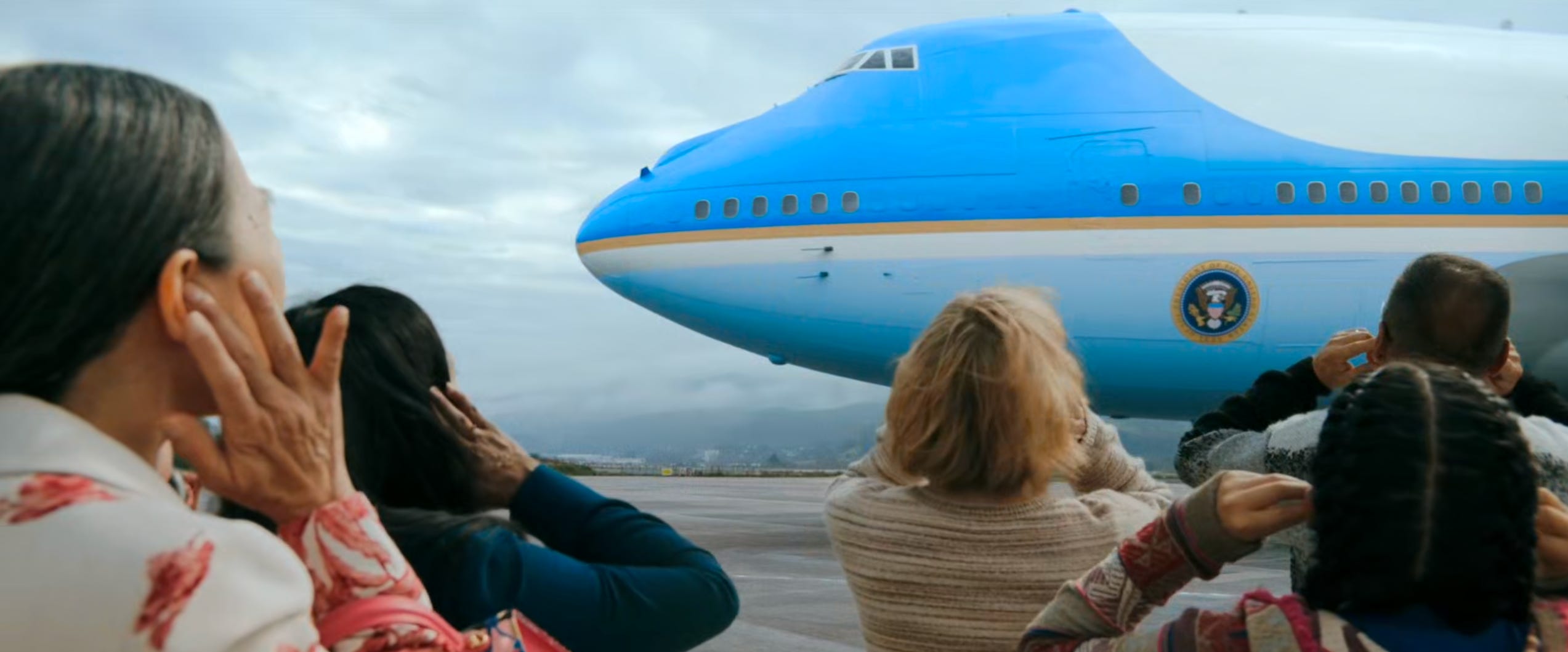
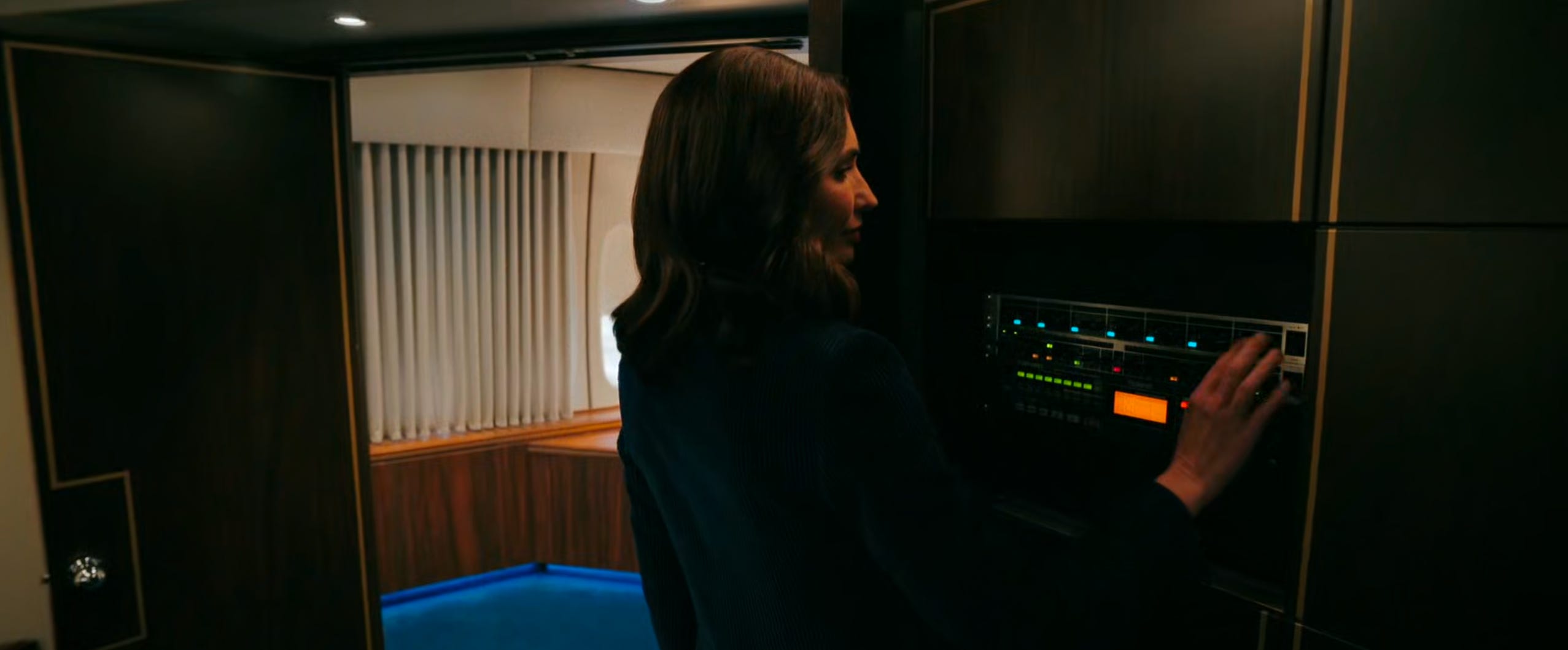
“What are we going to do about this?” Carol is very upset. “I’ve seen this movie,” she says. “We’ve all seen this movie. We know it does not end well.”
“Your husbands, wives, parents, children—they’re not them anymore.”
But aren’t they? Isn’t everyone? Couldn’t I have the best version of the people I love? Couldn’t I, theoretically, find the people who have left my life, not through death but through other means, and bring them back?
Carol points out that Laxmi’s son is also her prime minister, some guy she dated in college, and her gynecologist, but Laxmi doesn’t want to hear it. Calls Carol a horrible person. If there’s one thing we do know, it’s that the show is hiding a lot. Not the characters, but the show itself. Will we get backstories on any of these people? What was Laxmi’s relationship with her family like before this happened? And why is life better for her now?

What? All zoos are empty? Whoa, whoa, whoa, wait a minute. This is an important detail. What’s that all about?
“All dogs are off their chains. Peace on earth.” This business about the zoos seems trivial, but it can’t be. “Apparently, when it comes to the lions and the tigers, they suffered quite a few maulings.” One, How does he know that? And two, Feels like the show is promising us a mauling.
“Can we just stick with talking about the people?” Carol says. No, Carol, I don’t think we can. Your show has set up the zoos for a reason, and we must consider the payoff.
This next bit is really important. Carol says, “What are we going to do when they figure out how to turn us into them?” One girl says, “That’s what I want.” And Carol says, “No, you don’t.” Meanwhile, Laxmi says “don’t tell her how to think.” She continues, “you sit there and you tell us, ‘You must do this, you must do that,’ but you don’t even bother to educate yourself. Why should we listen to anything you say?”
Right on Laxmi! Right on!
But then Carol answers, “I’m smart enough to know you don’t ask a drug dealer to describe their heroin.” What? You don’t? Of course you do! Remember in the fourth grade when they had someone from the D.A.R.E. program come to tell you not to do drugs? They said: Someone will convince you. Someone will give you drugs for free the first time, and you’ll like it and you’ll get hooked. And you’ll come back, and they’ll make you pay for it. And you thought, “Wait, wait, wait, go back to the part where I’ll like it. What do you mean I’ll like it? What does it do? What do drugs actually do?” And no one could tell you. They didn’t know, or more likely, they were embarrassed to actually explain what was happening. Why are we so embarrassed to explain what makes us feel good? Why are pleasure and shame so inextricably linked?

Mr. Diabaté guy orders lobster, but “we searched a wide radius, and the only lobster currently available is live. We don’t kill.”
The ethical code is fascinating. How many people died? 800 million? We don’t kill, not even lobsters or insects about to sting. Lying is okay, but not killing.
Unless… what if ethics doesn’t even come into it. What if the collective is one massive brain, and each individual human is like one neuron. 11 million out of 8 billion might seem like “a few.”
Would it make any sense to swat a fly biting one neuron?
“We can’t purposely end life,” Zosia says. “It’s not in our nature.” OK, now who is us?
We’re calling it the joining.
886,477,591 people died.
Pirate Lady offers everyone a tour of the Guggenheim, which is an item on Helen and Carol’s bucket list. These two were definitely together. Why hide this?
So many discussion points coming up. They share each other’s emotions. They share each other’s pain. 11 million people died when Carol lost her temper. How many were injured? More than 100 million were injured maybe? There must be people in what we would call excruciating pain right now. Does everyone feel the pain along with the laughter? What is it like for everyone to experience one person’s cancer pain? On an experience level, what must it be like? Do these people sleep? We still haven’t seen them sleep. When they dream, does everyone experience the dream? What is a dream even—
Ohhhhh--- We think we figured out why she’s a novelist. That is, why the protagonist is a novelist. She needs to write them a story. Maybe a bedtime story. Because maybe if she can put one of them to sleep, she can put all of them to sleep. Hmm maybe.
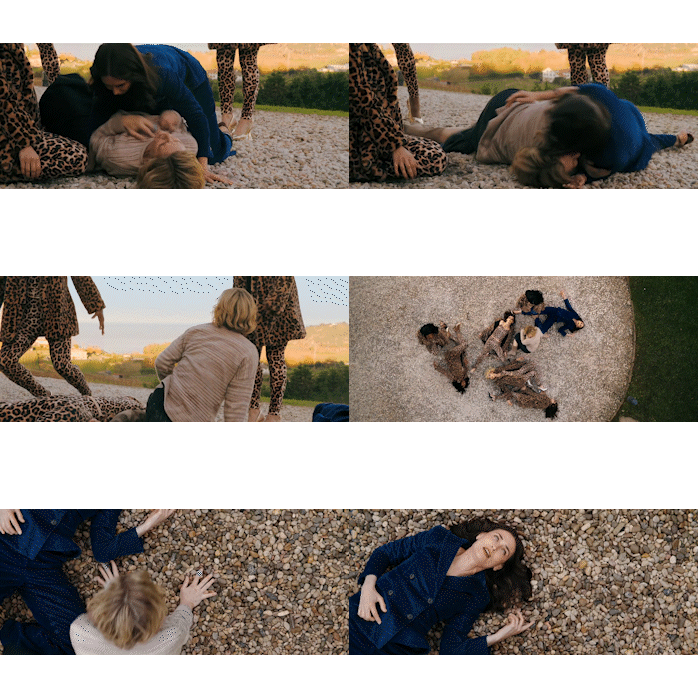
Carol asks: Do you have anything to make me stop doing this? And Zosia answers, “We don’t.”
Why don’t they? Anti-anxiety medication? Endless supply of MDMA?
What does Diabaté think he’s gonna do in Las Vegas? Does gambling make any sense now? Is there a show at the Sphere?
Hey, now everyone in the world can be a guitarist in a Grateful Dead tribute band!
“For us, affection is always welcome.” This is more corporate riddle doublespeak. What does she really mean? This will all be revealed in the season’s penultimate episode.
Zosia explicitly says “we can’t choose.” And she seems to imply that the Others can’t hurt Immunes.
“Yes you can choose,” Carol says “If you can do square roots in your head. You can make a choice. This sounds a lot like bad AI reasoning.
Is Pluribus about AI? Is Pluribus about Free Will? Did we solve it already? Are we late to the party?
(Next week we should all learn about the paperclip maximizer problem. And we should learn why other people think it’s nothing to worry about.

At the end of Episode 2, “Pirate Lady,” we are left with a host of new questions:
Animals and killing—why can’t the collective kill animals?
How can we explain the stylized way they speak?
Do they sleep? What is dreaming like?
Who is the “gentleman in Paraguay,” and why wasn’t he discovered immediately?
What questions did we miss? What did you think about Episode 2? Let us know!
In a nutshell, the Tommy Westphall hypothesis suggests that many American TV shows exist in a shared universe. The final episode of the hospital drama St. Elsewhere features an autistic character called Tommy Westphall. The episode seems to suggest that the entires series exists as a dream in Tommy’s mind. Because the series features crossovers with several other series, then those series (and their self-contained crossovers) are also part of Tommy’s dream. Some shows in the shared universe include Homicide: Life on the Streets, Law & Order(s), Star Trek(s), Batman (1966), I Love Lucy, and, yes, BB, BCS, and TXF.
Further, there are dreams within dreams. Recall that the final episode of the show Newhart (1982-1990) revealed that the series was a dream of star Bob Newhart’s character from a previous sitcom, The Bob Newhart Show (1972-1978).
AND—we know that Breaking Bad (and consequently BCS and TXF?) are dreams of Bryan Cranston’s character Hal from Malcom in the Middle:
Everybody getting all this? We’ll have a TA schedule a review session before the final exam.
More interesting questions and commentary. I will add, having just moved from Albuquerque back to LA, there’s NO real grass like that in Albuquerque. None. It’s all xeriscape (rocks). My husband and I lived in a house with a front yard full of rocks and a backyard with a fake lawn.